Cedar Fence Sealing in Seattle, WA
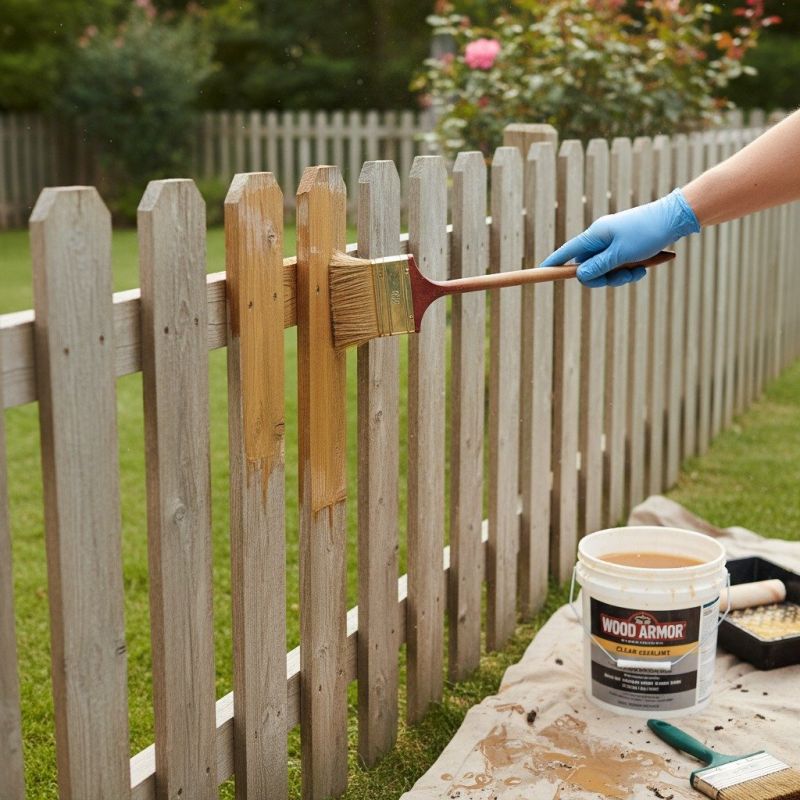
Cedar fence sealing services involve applying protective coatings to cedar fences to enhance their durability and appearance. This process helps prevent damage from moisture, UV rays, and other environmental elements, extending the lifespan of the fence. Projects typically include sealing new fences during installation or refreshing the finish on existing fences that have become weathered or faded over time. Property owners often seek this service to maintain the natural beauty of cedar, reduce maintenance needs, and protect their investment in outdoor fencing.
Before requesting cedar fence sealing, property owners usually want to understand the types of sealants used, how often the fence should be resealed, and the best time of year for application. It’s also helpful to know whether the sealing process will alter the fence’s appearance or color and if any prep work is necessary beforehand. Clear communication about these details can ensure the sealing enhances the fence’s longevity and aesthetic appeal while meeting individual preferences.
Many property owners in Seattle, WA look into Cedar Fence Sealing for repairs, replacements, upgrades, and appearance-related improvements.
Protecting Cedar Fences
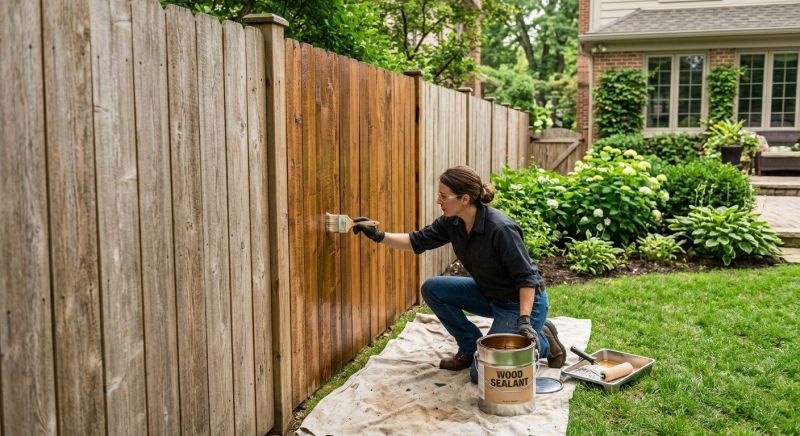
Sealing enhances the durability and lifespan of cedar fences in seattle's climate.

Enhancing Fence Appearance
Proper sealing maintains the natural beauty and color of cedar wood over time.

Preventing Damage
Sealing helps guard against moisture, mold, and uv damage common in the seattle area.
Cedar Fence Sealing in Seattle, WA
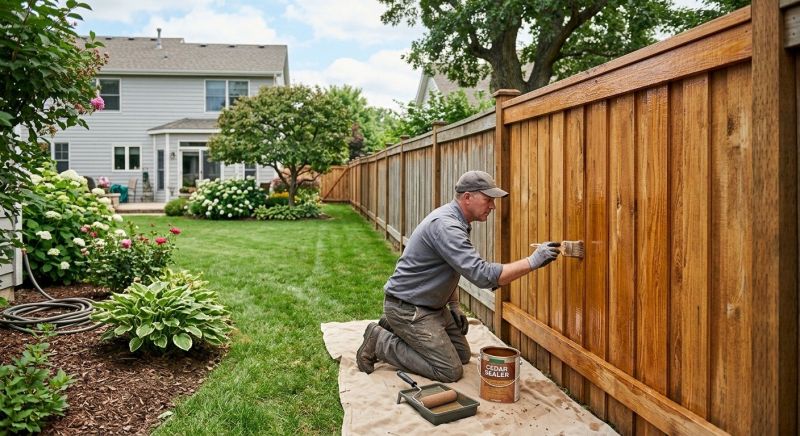
Cedar fence sealing services involve applying protective coatings to cedar fences to enhance their durability and appearance. This process helps prevent damage from moisture, UV rays, and other environmental elements, extending the lifespan of the fence. Projects typically include sealing new fences during installation or refreshing the finish on existing fences that have become weathered or faded over time. Property owners often seek this service to maintain the natural beauty of cedar, reduce maintenance needs, and protect their investment in outdoor fencing.
Before requesting cedar fence sealing, property owners usually want to understand the types of sealants used, how often the fence should be resealed, and the best time of year for application. It’s also helpful to know whether the sealing process will alter the fence’s appearance or color and if any prep work is necessary beforehand. Clear communication about these details can ensure the sealing enhances the fence’s longevity and aesthetic appeal while meeting individual preferences.
Many property owners in Seattle, WA look into Cedar Fence Sealing for repairs, replacements, upgrades, and appearance-related improvements.
Common Cedar Fence Sealing Jobs
Fence sealing - protects cedar fences from moisture and weather damage.
Preventative sealing - helps extend the lifespan of existing cedar fencing.
Weatherproofing services - reduce the impact of rain, snow, and humidity on wood fences.
Surface sealing - provides a protective barrier against stains and UV rays.
Maintenance sealing - preserves the natural appearance of cedar while preventing decay.
Re-sealing projects - restore the protection on older cedar fences to maintain durability.


Cedar Fence Sealing Questions
Why should I seal my cedar fence? Sealing helps protect cedar from moisture, UV damage, and pests, extending its lifespan and maintaining its appearance.
How often should cedar fences be sealed? It is recommended to seal cedar fences every 2 to 3 years to preserve their condition and appearance.
What types of sealers are suitable for cedar fences? Clear, semi-transparent, and tinted sealers are commonly used, providing protection while highlighting the wood's natural beauty.
Does sealing affect the appearance of my cedar fence? Sealing can enhance the color and grain of cedar, giving it a fresh and well-maintained look without hiding its natural character.
Request Cedar Fence Sealing in Seattle, WA
Use the quote form on this page to share the basics of your project and request more information for the type of work you need.